As you plunge headlong into the kaleidoscopic universe of cryptocurrency, each nebula of data, each constellation of codes and regulations may evoke twinkling curiosity and uncertainty. The astronomical pull of decentralized finance, fluid transactions, and hefty profits are indeed magnetic. But do not be deceived; in this boundless cosmic world of blockchain, there are black holes of non-compliance that can swallow up your investment in one mighty gulp. Welcome, then, to a quick spacewalk through the Milky Way of regulation before you hitch a ride to claim your digital fortune. Our mission today is a guide through the intricate, relevant, and necessary web of due diligence on crypto regulatory compliance. So, don your astronaut helmet, secure your tethers – it’s time to dive into this universe and decipher its legal language.
Understanding the Importance of Due Diligence in Crypto Regulatory Compliance
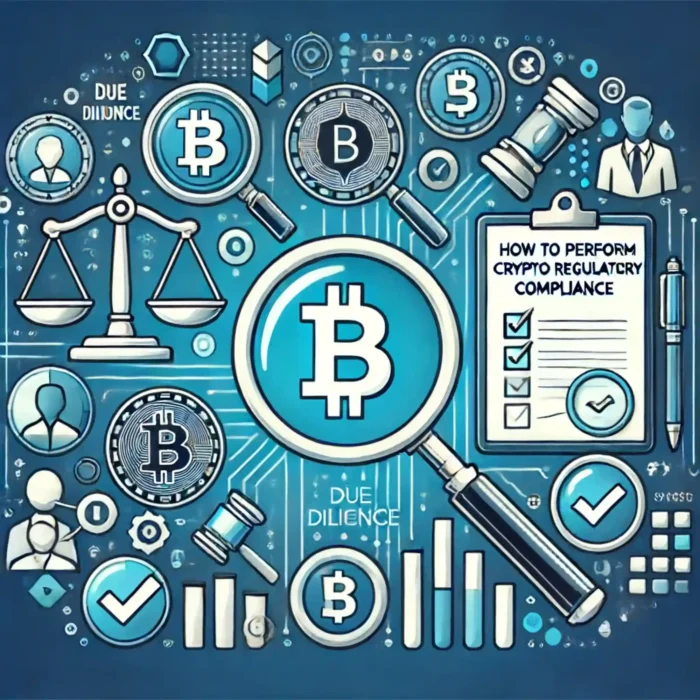
To ensure your crypto business maintains a clean compliance sheet, it is crucial to apply rigorous Due Diligence practices. These practices consist of a comprehensive investigation and evaluation process to understand the regulatory requirements within the ecosystem based on individual contexts and jurisdictions. Failure to effectively conduct Due Diligence could lead to serious legal repercussions and loss of credibility within the crypto market.
Let’s delve into the key aspects of the Due Diligence process for crypto regulatory compliance:
- Understanding Regulatory Bodies: Be familiar with the active regulatory bodies and their guidelines within your region. This includes regional regulatory bodies (like SEC in the U.S.), international regulatory organizations (like FATF), and guidelines from specific bodies governing crypto-assets (like FINMA in Switzerland).
- Assessing Legal Structures: Ascertain the legal structure of your crypto-services. Determine whether you’re considered a crypto exchange, wallet service, or ICO, each of which demands unique compliance parameters.
- Investigating Jurisdictions: Investigate target jurisdictions of your service. Laws and regulations differ markedly around the world, and being unaware of local crypto laws can lead to serious legal issues.
The above steps will form the basis of a thorough Due Diligence process, providing you with valuable insights into your regulatory responsibilities. Furthermore, continuous monitoring and updating of your Due Diligence process is vital, given the rapidly evolving crypto regulatory environment.
| Step | Description |
|---|---|
| Identifying Regulatory Bodies | Knowing about active regulatory bodies and relevant crypto guidelines in your region |
| Assessing Legal Structures | Understanding your crypto service’s legal structure and its unique compliance parameters |
| Investigating Jurisdictions | Detailed investigation of the target jurisdictions of your service to ensure compliance with local laws |
| Continuous Monitoring | Keeping track of regulatory changes and updating your processes accordingly |
Applying proactive and thorough Due Diligence procedures will protect your crypto enterprise from legal infractions and support it in maintaining a strong standing within the burgeoning crypto community.
Navigating the Complex World of Crypto Regulations
Beginning your journey in the complex and volatile world of cryptocurrencies is no child’s play. Understanding due diligence is essential as it serves to protect your investments in the long run. But the question arises, how can one perform due diligence on regulatory compliance in a domain as multifaceted as cryptocurrency?
First and foremost, it’s important to understand that cryptocurrency regulations vary across the world. Therefore, it’s essential that you become familiar with the laws of the jurisdiction under which the crypto asset you are interested in, falls. There are few online resources that provide comprehensive information on the regulatory aspect of cryptocurrencies, such as the Library of Congress’ report.
- Understanding Local Laws
- Investigating The Project’s Legal Framework
- Evaluating Potential Risks
It’s also crucial to understand whether the cryptocurrency you’re eyeing operates under adherence to KYC (Know Your Customer) and AML (Anti Money Laundering) rules. These demonstrate a proactive approach to regulatory alignment and reduces chances of legal complications in the future.
| Regulation Aspect | Cryptocurrency | Regulatory Compliance |
| Securities Law | Bitcoin | Compliant |
| AML Rules | Ethereum | Compliant |
Lastly, look for evidence that the crypto project has sought legal advice — this often takes the form of a legal opinion. Most reliable crypto projects will have this openly available for potential investors to peruse.
Operating in the ever-evolving digital currency landscape demands a comprehensive understanding of regulations and due diligence. So as you embark on your crypto investment journey, remember to carefully examine every regulatory aspect, thereby ensuring that your journey complies with the law while securing your prospective investments.
Key Strategies for Conducting Thorough Due Diligence
One of the most effective ways to gauge compliance and ensure that you’re not being caught out by regulatory intricacies is by deploying a comprehensive evaluation process. Good groundwork involves Reviewing Whitepapers and official documents. It’s important to do this in depth to fully understand the aim, value proposition and legal status of the cryptocurrency. Also, remember that regulatory statements can sometimes be hidden within these papers, so make sure you read everything thoroughly.
It’s crucial not to overlook Independent Audits. These are often conducted by third-party companies and can provide in-depth insights into the crypto project’s operations. Make sure to pay attention to both the completion of these audits and their results. Were any compliance issues identified? If so, how were they rectified?
| Strategy | Description |
|---|---|
| Review Whitepapers | Read and analyze official documents to understand the cryptocurrency’s aim, value proposition, and legal status. |
| Independent Audits | Ensure third-party audits are completed and analyze their findings for any regulatory compliance issues. |
Subsequently, the importance of reviewing the Updates and Legal Changes can’t be emphasized enough. Keep an eye on any changes in regulations or laws that could affect the cryptocurrency. Keep in mind that what was legal today could become illegal tomorrow based on updates to legal structures.
Don’t forget to keep an eye on the International Regulatory Environment. As cryptocurrencies are often globally focused, laws in foreign countries can greatly impact their performance and legality. Do your homework to make sure you understand international legal considerations as well.
| Strategy | Description |
|---|---|
| Review Updates and Legal Changes | Stay updated with any regulatory updates or changes in laws that could affect the crypto project. |
| International Regulatory Environment | Understand the laws and regulations in different countries as they can greatly impact the crypto project. |
By incorporating these key strategies, you can conduct thorough due diligence on crypto regulatory compliance. Remember, proof of compliance is a critical aspect of any legitimate operation in the cryptocurrency world.
Overcoming Challenges and Red Flags in Crypto Regulatory Compliance
With the rapid growth of cryptocurrency use and investments, regulatory compliance has become an especially important aspect for participants in this dynamic market. In order to ensure your heart-earned investments are safe, comprehensive due diligence is of paramount importance. But navigating through the complex maze of regulations and standards is never an easy task, so here are a few key steps that can help you overcome these challenges.
Identification and Verification: This step is critical for compliance with Anti-Money Laundering (AML) policies. Regulatory authorities require you to provide proper identification before making transactions. Cryptocurrency platforms often use Know Your Customer (KYC) methods that require a proof of ID and proof of address.
- Legal Restrictions: Some countries have harsh restrictions or even bans on cryptocurrency use. Research a country’s legal stance on cryptocurrencies before making any commitments.
- Compliance Examinations: Routine compliance examinations are crucial to evaluate the performance of compliance procedures. Regular audits can help you spot potential red flags or gaps in compliance efforts.
- Transparency: It’s important to determine how transparent a company is about their operations, financial status, and coin offerings. Transparency is key in the realm of cryptocurrency, and a lack of it can be a potential red flag.
Next, it’s crucial to assess the risks associated with non-compliance. These can lead to hefty fines or bans from participating in the market. It’s also a good idea to establish a risk management plan and to familiarize yourself with the regulatory obligations and potential penalties for non-compliance.
| S/N | Regulatory Agency | Common Penalties |
|---|---|---|
| 1 | FinCEN | Fines, Cease and Desist Orders |
| 2 | Securities and Exchange Commission (SEC) | Disgorgement, Prejudgement Interest, Civil Penalties |
| 3 | Commodity Futures Trading Commission (CFTC) | Civil Monetary Penalties, Disgorgement, Restitution |
By keeping these steps in mind, you can make proactive efforts towards comprehensive due diligence and ensure you remain on the right side of crypto-regulatory compliance.
Adapting Your Business for Effective Compliance in the Evolving Crypto Landscape
The crypto landscape is ceaselessly evolving and with it, the regulatory requirements. Adapting your business to maintain regulatory compliance is no longer an option, but a necessity. Particularly, due diligence has become a paramount necessity. Understanding the shifting tides is crucial to steer your business in the right direction and avert any potential setbacks.
There are primary key components towards conducting a successful due diligence. Firstly, categorizing the possible risks and their potency for your business. These risks could include things like government crackdowns on certain types of cryptocurrencies, potential fraud, or a potential lack of liquidity for specific digital assets.
- Understanding Regulatory Frameworks: It is essential to understand both the domestic and international regulatory frameworks that apply to your business. This includes laws related to cryptocurrencies, data privacy and protection, digital assets, and financial services.
- Identifying Potential Red Flags: Keep a keen eye out for warning signs. These signs may include questionable business practices, unclear business models, or discrepancies in financial reports.
- Conducting On-Going Monitoring: Due to the fast-paced and ever-changing nature of the crypto world, ongoing monitoring is vital. Keep tabs on changes in regulatory requirements, market trends, business practices, and customer behaviors.
| Due Diligence Component | Focus Area |
|---|---|
| Regulatory Frameworks | Domestic and international laws related to cryptocurrencies, data privacy, and digital assets |
| Identifying Red Flags | Warning signs that suggest potential legal, financial, or reputational risks |
| On-Going Monitoring | Changes in regulatory requirements, market trends, business practices, and customer behaviors |
Don’t shirk the complexities that come with the evolving crypto landscape. Instead, proactively prepare your business to push forth and excel in this flourishing crypto era by appropriately performing due diligence in the sphere of regulatory compliance.
In Retrospect
As we sailed through the captivating world of cryptocurrency, we’ve highlighted the importance of due diligence and the tools to navigate these digital currencies’ regulatory waters. Precarious though it may seem, the ever-shifting currents of crypto regulation hold immense potential for those bold enough to venture. But armed with the right understanding and a map of effective due diligence, you’re now ready to explore the promising landscape of blockchain technology and cryptocurrency. The unknown no longer needs to be intimidating, but rather a zone of opportunities waiting to be unearthed. By ensuring thorough due diligence and compliance with the vital checks, you can put your money on the voyage that cryptocurrency surely promises. Step forward with your newfound knowledge and chart your course in the exhilarating seas of digital finance. Safe travels and bountiful returns on your crypto journey.